Developing Confidence and Social Adjustment
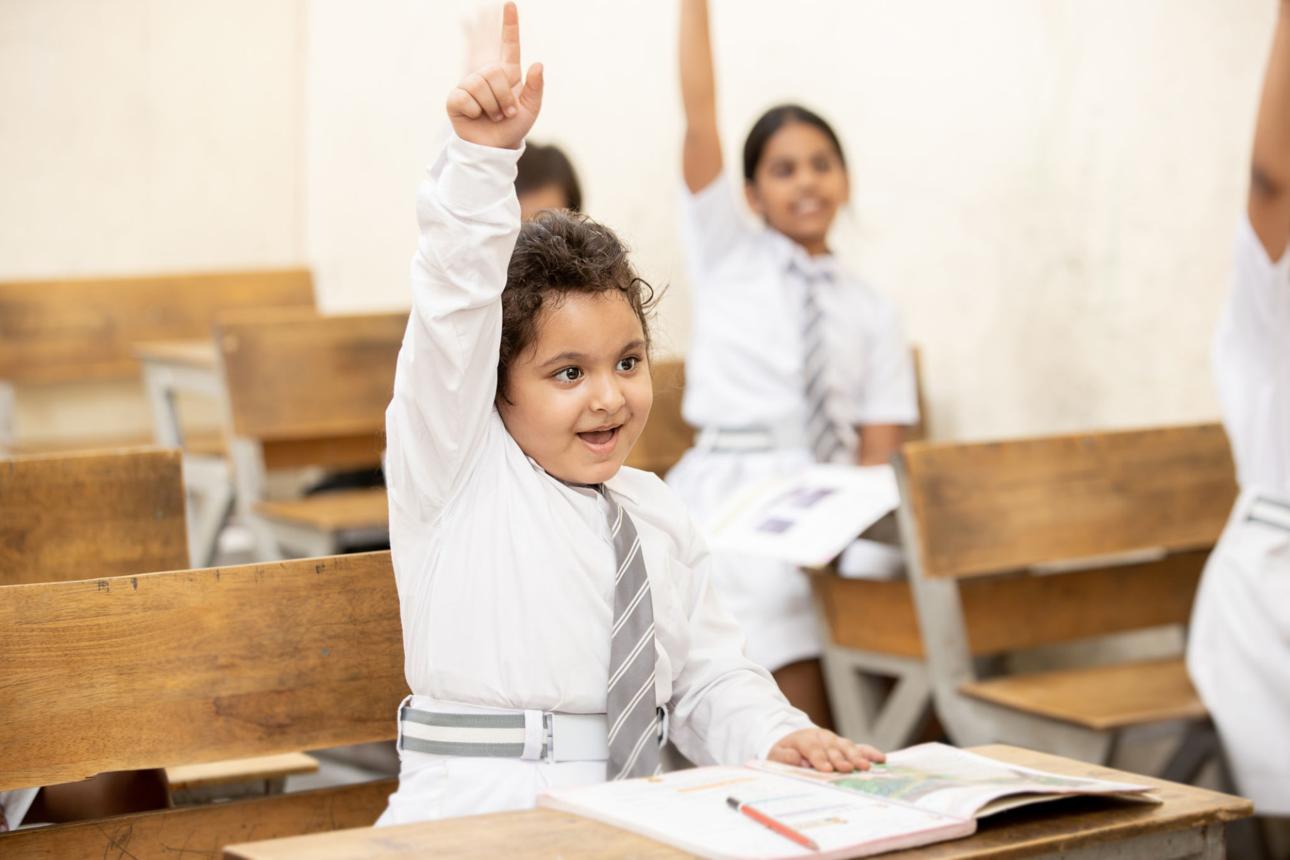
Raj had begun to show improvement in his attitude towards school, but there were still moments when he felt unsure of himself. While he had started taking interest in certain subjects, he often compared himself with other students and felt that he was still behind. This comparison sometimes discouraged him and made him hesitant to participate actively in class. His teachers noticed that although he had the ability, his confidence was not yet fully developed.
At this stage, both his parents and teachers understood that building confidence was just as important as improving academic performance. They focused on appreciating his efforts rather than judging his results. Every small achievement, whether it was completing an assignment or participating in a class activity, was acknowledged. This helped Raj feel that his progress mattered, no matter how small it was.
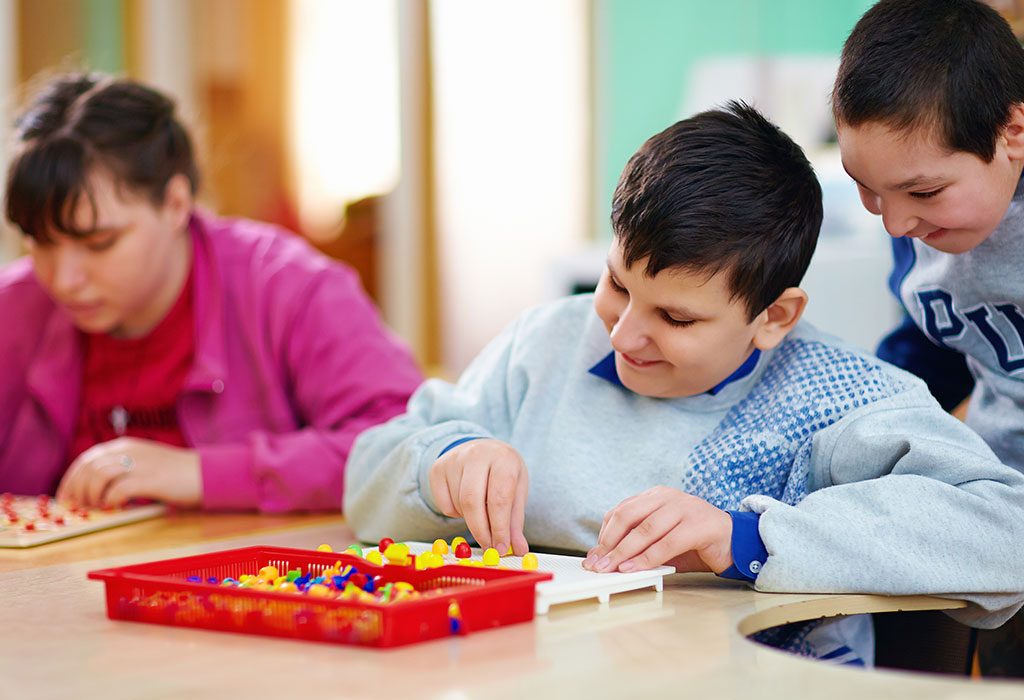
Another important aspect was helping him adjust socially with his classmates. Earlier, Raj had kept to himself and avoided group interactions. Now, he was gently encouraged to take part in group discussions and collaborative tasks. These activities helped him understand the value of cooperation and teamwork. Slowly, he began to feel more comfortable sharing his ideas and listening to others.
His teachers also made sure that the classroom environment was supportive rather than competitive. Instead of focusing only on ranks and comparisons, they emphasized learning together. Raj started to realize that everyone had their own strengths and weaknesses, and that improvement was a personal journey. This change in perspective reduced his fear of failure.
At home, his parents continued to guide him without pressure. They encouraged open conversations where Raj could express his thoughts and concerns freely. This created a sense of trust and emotional security. As a result, Raj no longer felt the need to withdraw or resist. He began to take initiative in his studies and daily routine.
Over time, Raj developed a healthier outlook towards both school and himself. He became more confident, cooperative, and responsible. The combined effort of understanding, patience, and encouragement helped him overcome his earlier difficulties. His journey highlights the importance of nurturing a child’s confidence along with providing proper guidance.
In the end, true education is not just about knowledge, but about helping a child believe in his own abilities and find his place in society. When children feel supported and understood, they are more likely to grow into confident and capable individuals.
(To be continued next week)